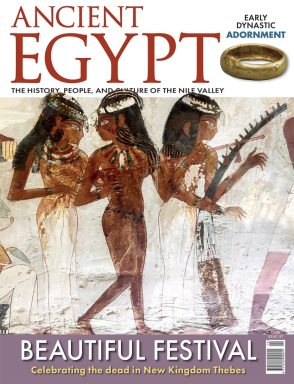
The Beautiful Festival of the Western Valley
Katherine Slinger explores one of the most important Theban religious festivals.

Katherine Slinger explores one of the most important Theban religious festivals.




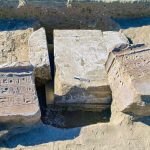
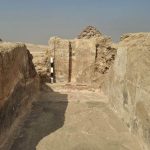
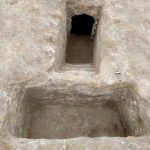
An Egyptian team working in the Bahariya Oasis have discovered three tombs from different periods at the site of Sheikh Sobi, the necropolis for the priests and governors of the oasis from
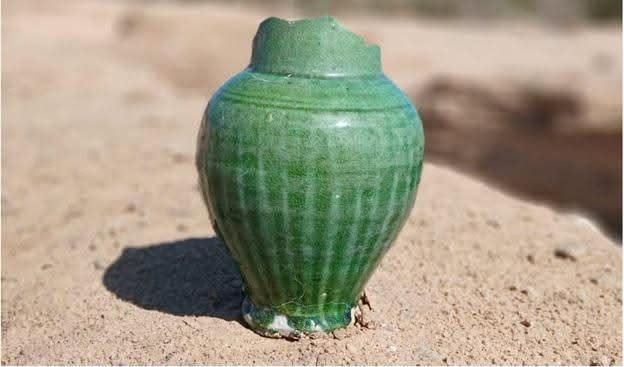
Egyptian excavations at the site of another lost city – ‘Asila’ – in northern Sinai have revealed the remains of an Islamic structure thought to be a caravanserai (roadside inn), on the


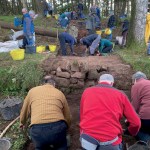

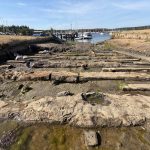
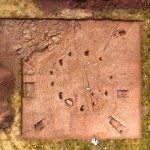

Continuing last month’s exploration of high medieval monasticism, this month I will visit sites across the country, both well known and less well known, that reflect the profound impact the Church had on society during this era, and the discoveries made by modern-day archaeologists which highlight this

The Bayeux Tapestry has gone on display at the British Museum at last, despite the fears of some conservators that transporting it to London would cause irreparable damage. In the event, two threads were found to be broken when the Tapestry was inspected after arriving in London.

Last year, in Vienna, we visited the salt mines at Hallstatt and the site beside the Danube where the Venus of Willendorf was discovered.

When news about Tenochtitlan (nowadays Mexico City), the capital of the Aztec Empire, started to reach Europe around the time of the conquest by the Spanish Conquistadors led by Hernán Cortés, the city was soon labelled the ‘Venice of the New World’.





Available in English and Arabic, Fabricius is an enjoyable introduction to hieroglyphs, but also presents new approaches for professional Egyptologists.

Was it by coincidence that the formation of the Art Deco Society UK (ADSUK) in 2019 coincided with the publication of Art Deco Britain: buildings of the interwar years by Elain Harwood,

At the turn of the 20th century, the first ‘Golden Era’ of Welsh rugby ushered in the national team’s rise to dominance and infused ‘rugger’ into the country’s lifeblood. Lewis, for his part, embraced the game body and soul.

For this issue, Dr Campbell Price examines a sculpture in the Brooklyn Museum whose original purpose is unclear.
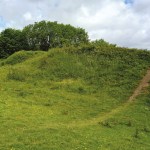
CAER Heritage is a model of genuine partnership between heritage professionals and community interest groups.

We are grateful to LPRS Council member Simon Oliver for contributing this month’s ‘Odd Socs’ column.

This ruined city had richly carved monumental gateways and, even more significant, an 8th-century BC stela that, bearing the same text in both the Phoenician alphabet and Luwian hieroglyphics, gave Çambel the key to unlock the Luwian language for future scholars.

The letter from Mark Horton in CA 382, about the work of the Friends of Repton Parish Church, prompted us to take a closer look at this society, which Mark commended as
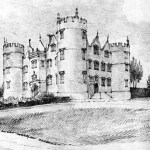
Ruperra Castle (Castell Rhiw’r Perrai; ‘pear-tree hill’) is garlanded with heritage designations, being a Grade II*-listed building and a Scheduled Monument, set within a Grade II Registered Park. Sadly, it is also
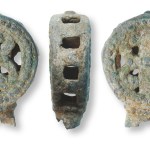
This is the terminal of a medieval staff, which was recently discovered by a metal-detectorist near St Mary in the Marsh, Kent. Many similar objects have been identified over the centuries across England – including several examples recorded by the Portable Antiquities Scheme.


The Cerne Abbas Giant has just undergone its once-in-a-decade rechalking, restoring the famous foothill figure to its striking white appearance. With the Giant standing at an impressive 55m (180ft) tall, the task
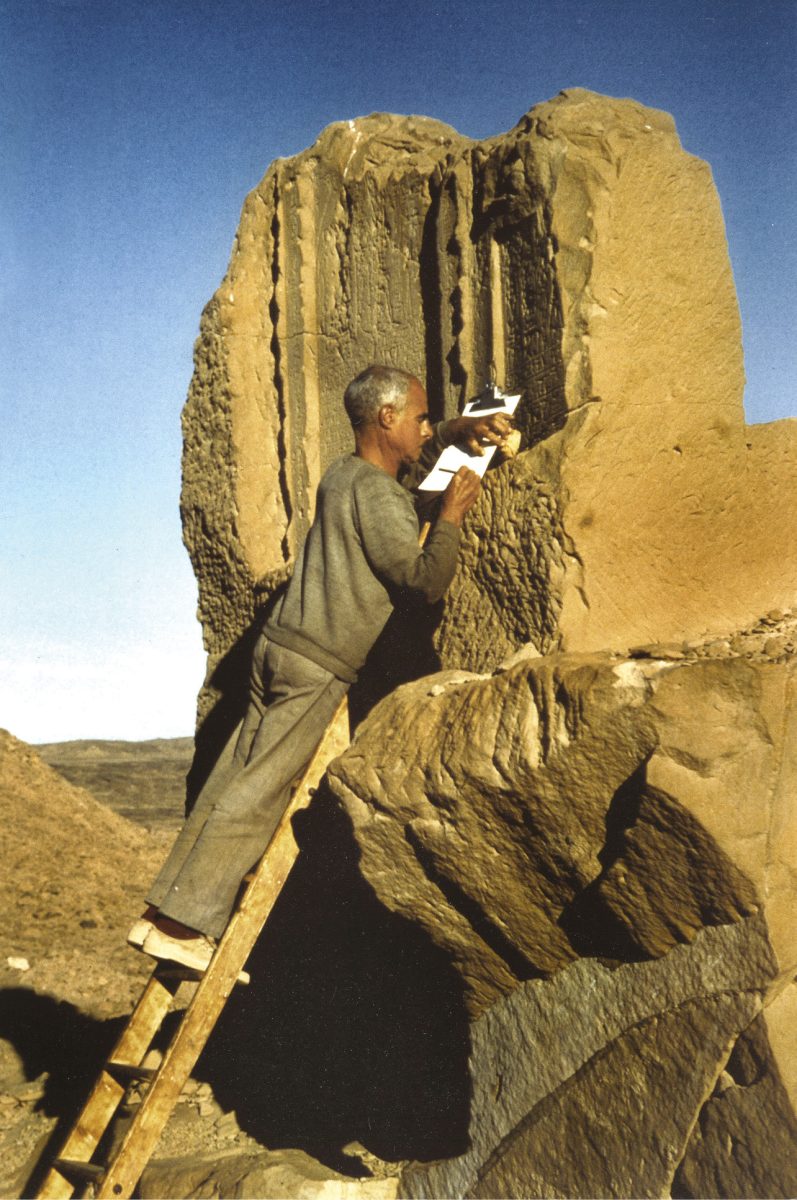
Among Egyptology’s many ‘unsung heroes’, Ricardo A Caminos counts as a modest yet significant figure. Carl Graves takes a look at his often-overlooked achievements, and his longstanding legacy, both within the profession of epigraphic recording, and the history of the Egypt Exploration Society.
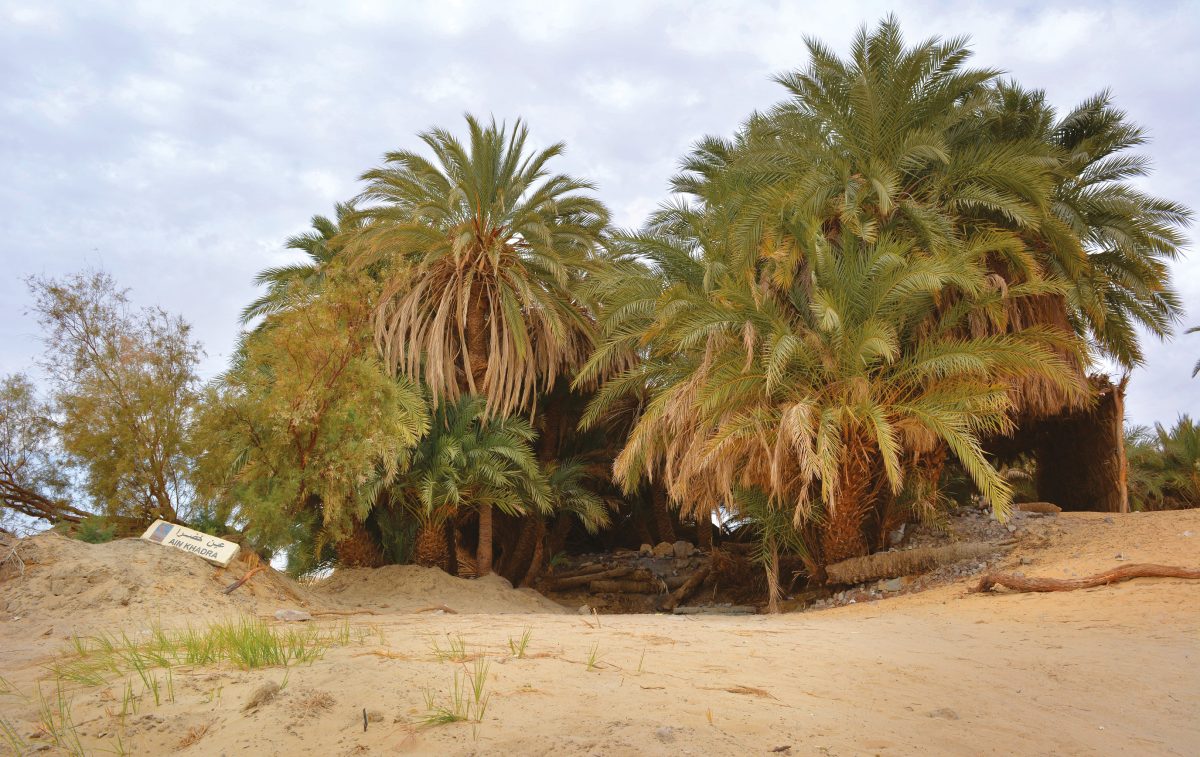
Amir Ebrahim Elkorashy explores an archaeological landscape around a spring in the Western Desert.

W Benson Harer Jr proposes a new theory for the use of birthing bricks in ancient Egypt.
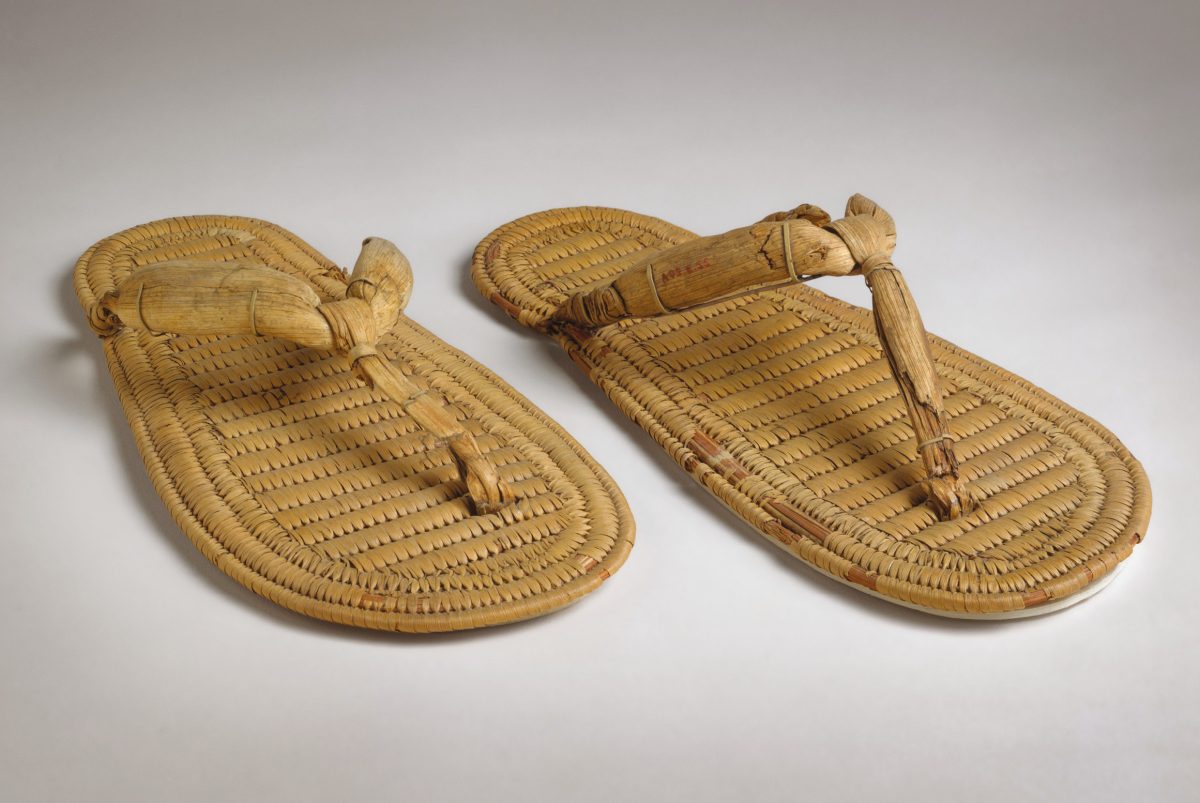
Sandals in ancient Egypt were far more than footwear, as Hilary Wilson explains.
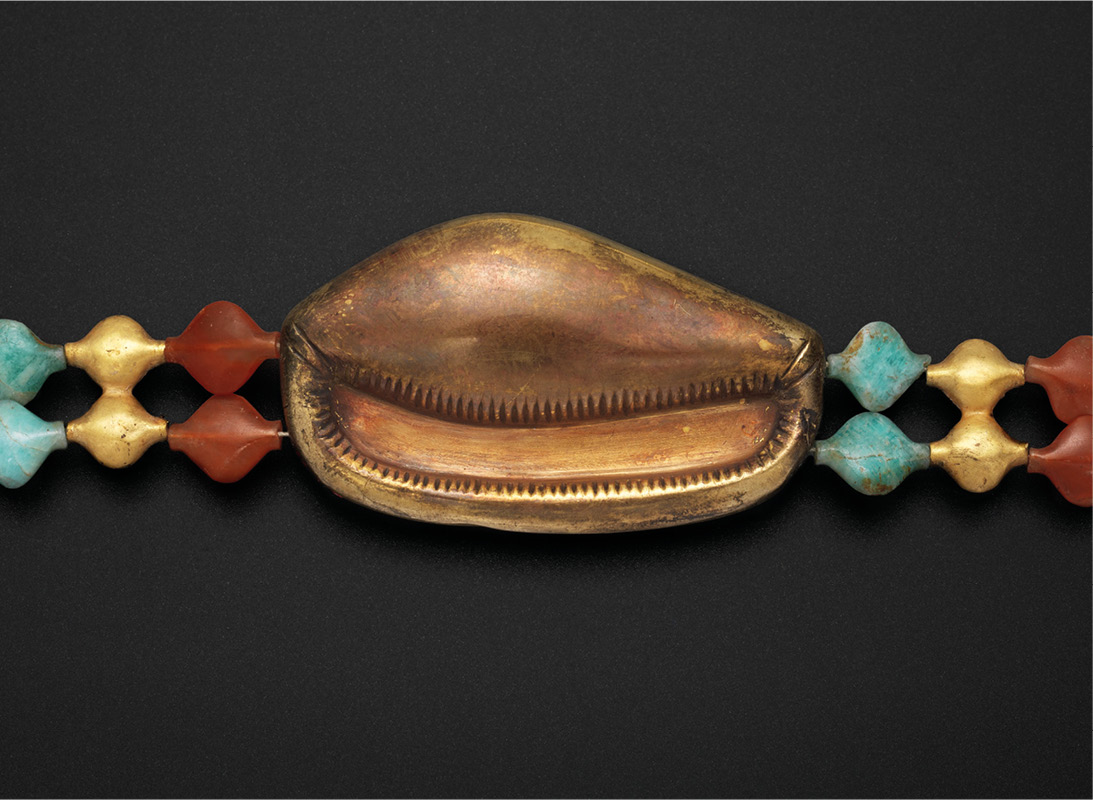
Barbara Boczar explores the materials used to create objects for personal adornment in Egypt from the prehistoric to the Early Dynastic periods.
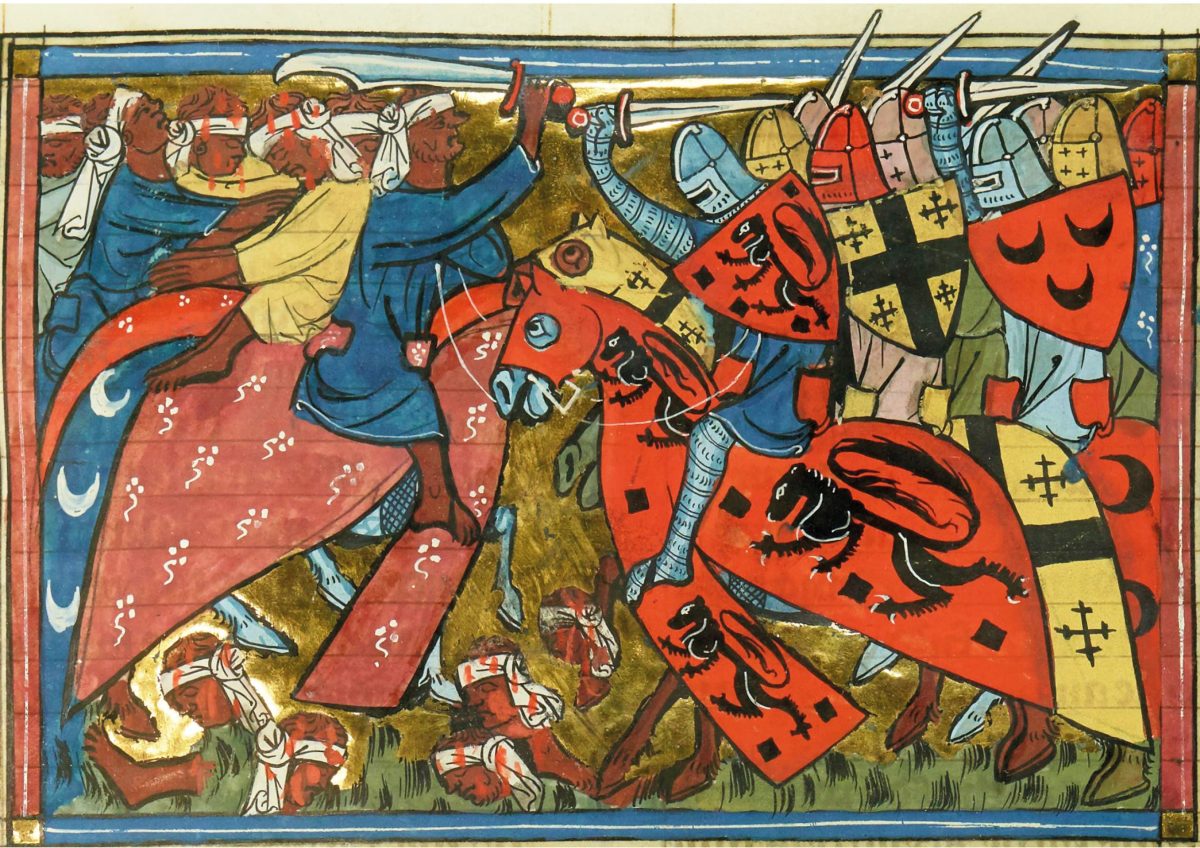
Thomas Smith relates the saga of the remarkable crusade on the Nile that came close to reshaping the Near East.

Marking the 1,000th anniversary of the birth of William the Conqueror, 2027 has been designated the Year of the Normans. Events to mark the millennium are planned all over Europe, with castles as a major theme. In Ireland, the best guide to the hundreds of defended structures surviving from the Anglo-Norman invasion of 1169 is the late David Sweetman, Ireland’s former Chief Archaeologist, whose book on The Medieval Castles of Ireland reveals how these 12th- and 13th-century symbols of Anglo-Norman power evolved from earthworks to commodious towers that dominated the landscape. Chris Catling reports.
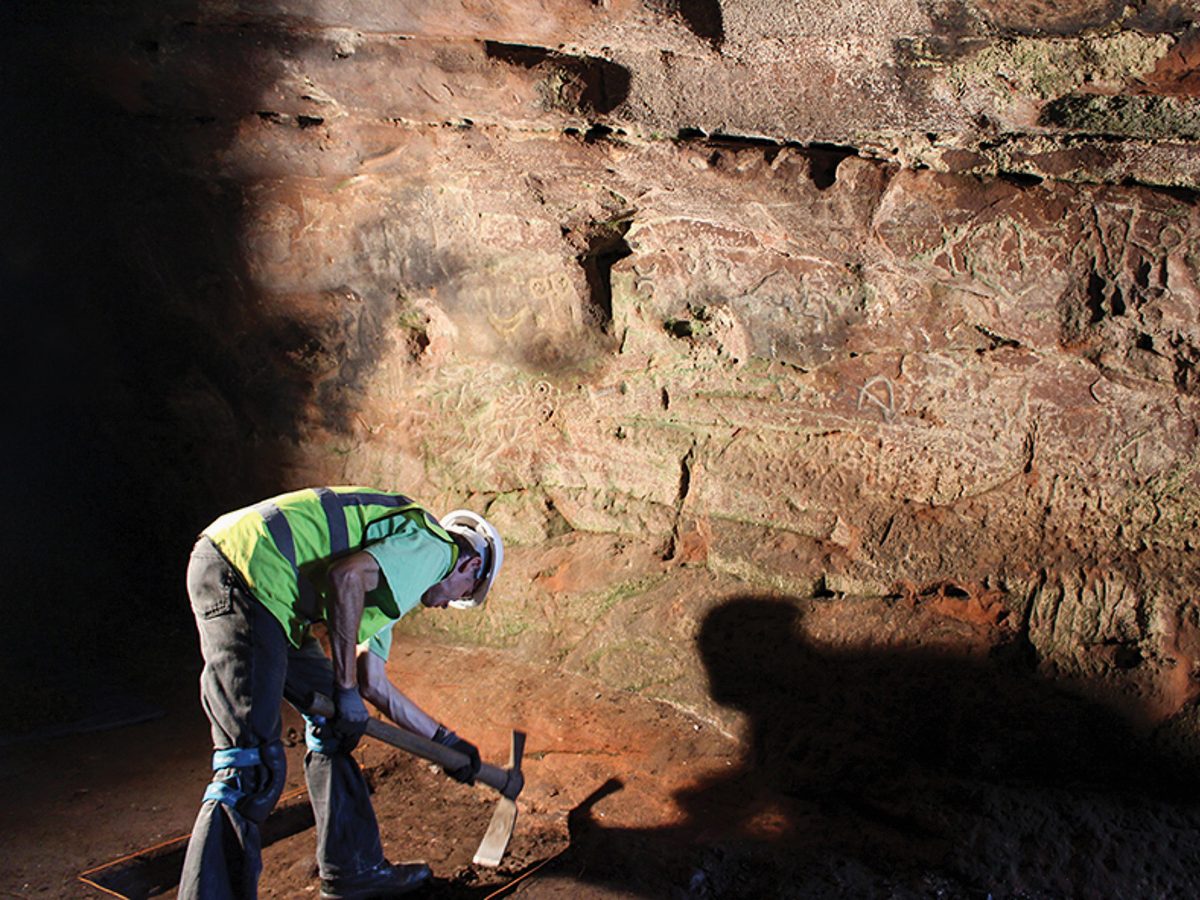
The caves at East Wemyss are home to traces of human activity spanning prehistory to the present day, including important Pictish carvings. In recent decades some of these interactions have been destructive, but the local community is working to preserve this unique collection. As they mark the 40th anniversary of these efforts, Mike Arrowsmith reports.

The Bayeux Tapestry is perhaps the most recognisable piece of early medieval art – and, almost 1,000 years after the brutal events that it depicts, rather friendlier relations between England and France have seen the famous embroidery travel to the British Museum for a hotly anticipated exhibition. Carly Hilts visited to learn more about what its images can tell us about life in the 11th century.
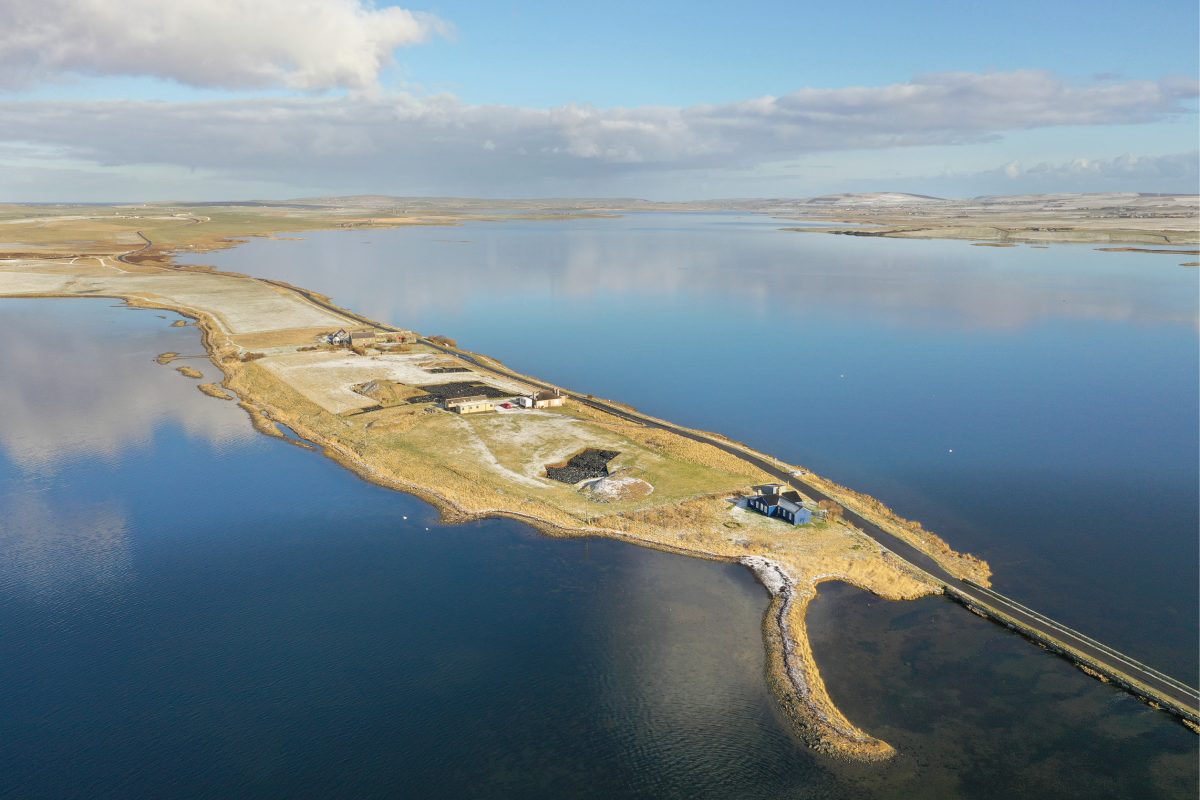
The Ness of Brodgar in Orkney is home to an unprecedented complex of 5,000-year-old buildings. Ongoing analysis is illuminating their form and function, as Carly Hilts reports.
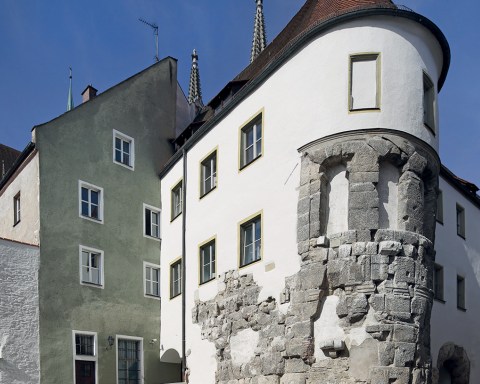
From serving as the edge of an empire to falling within no fewer than three modern World Heritage Sites, Raetia’s Roman frontier has long been a place of consequence. David J Breeze introduces the ancient and modern significance of this remarkable monument.
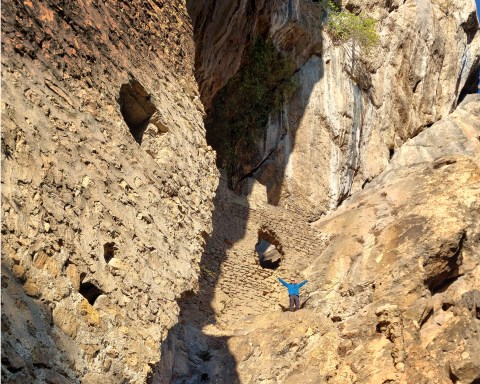
In the 12th century, the counts of Foix began creating a unique network of fortifications using caves and other natural features in their part of the Pyrenees. Colin Duncan Taylor explores their origins and reveals how, starting in the 19th century, these castles in the cliffs were ransacked by early archaeologists and fortune hunters in search of fabled Cathar treasure.

What role did science play in the emergence of the United States of America? Matthew Symonds spoke to Elissavet Ntoulia about scientific knowledge and its practical applications as a nation was born.

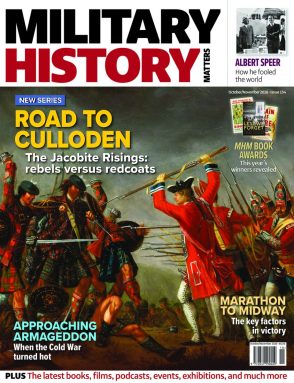
In the second part of our series, Graham Goodlad reviews the organisation, tactics, and weaponry of the two armies.
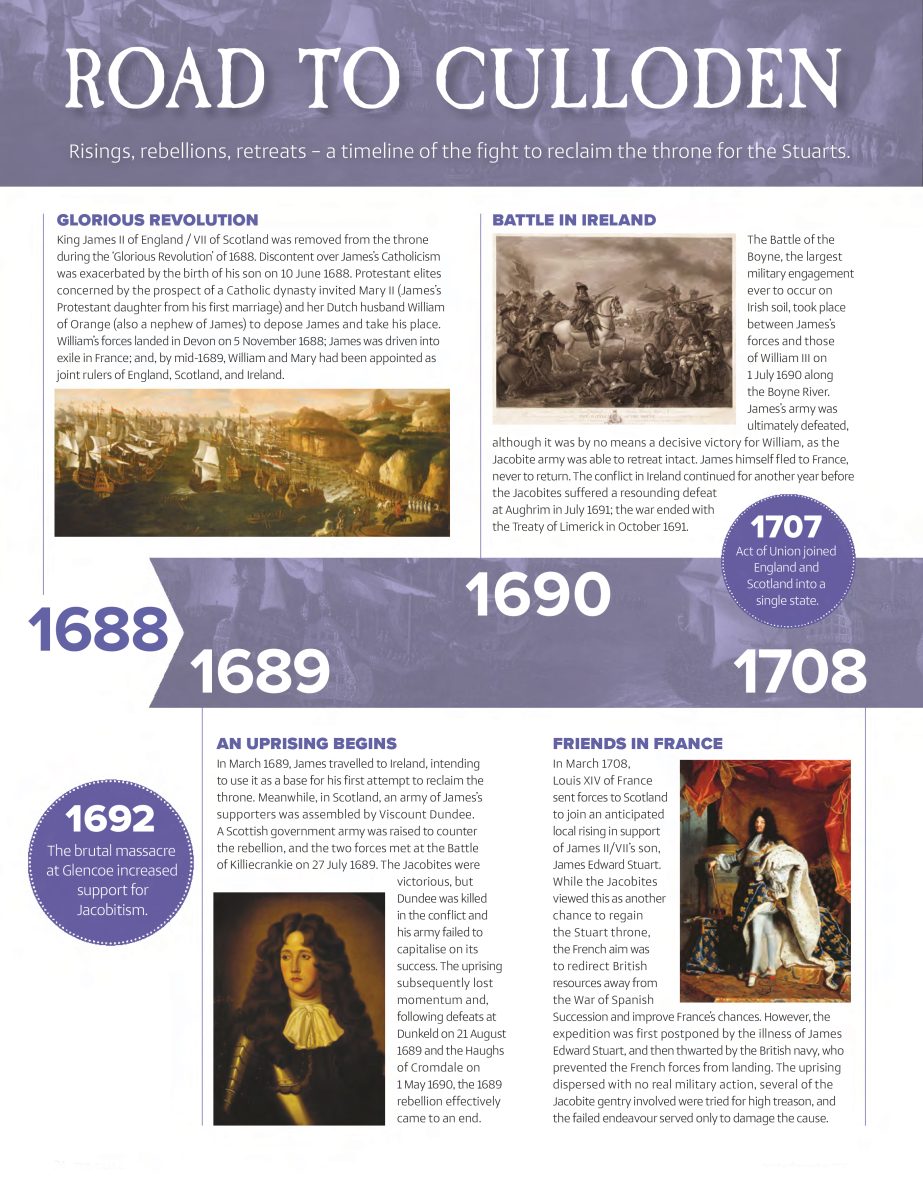
Onwards and upwards a timeline tracing the developing fortunes and many incarnations of America’s air force in the 2oth century.
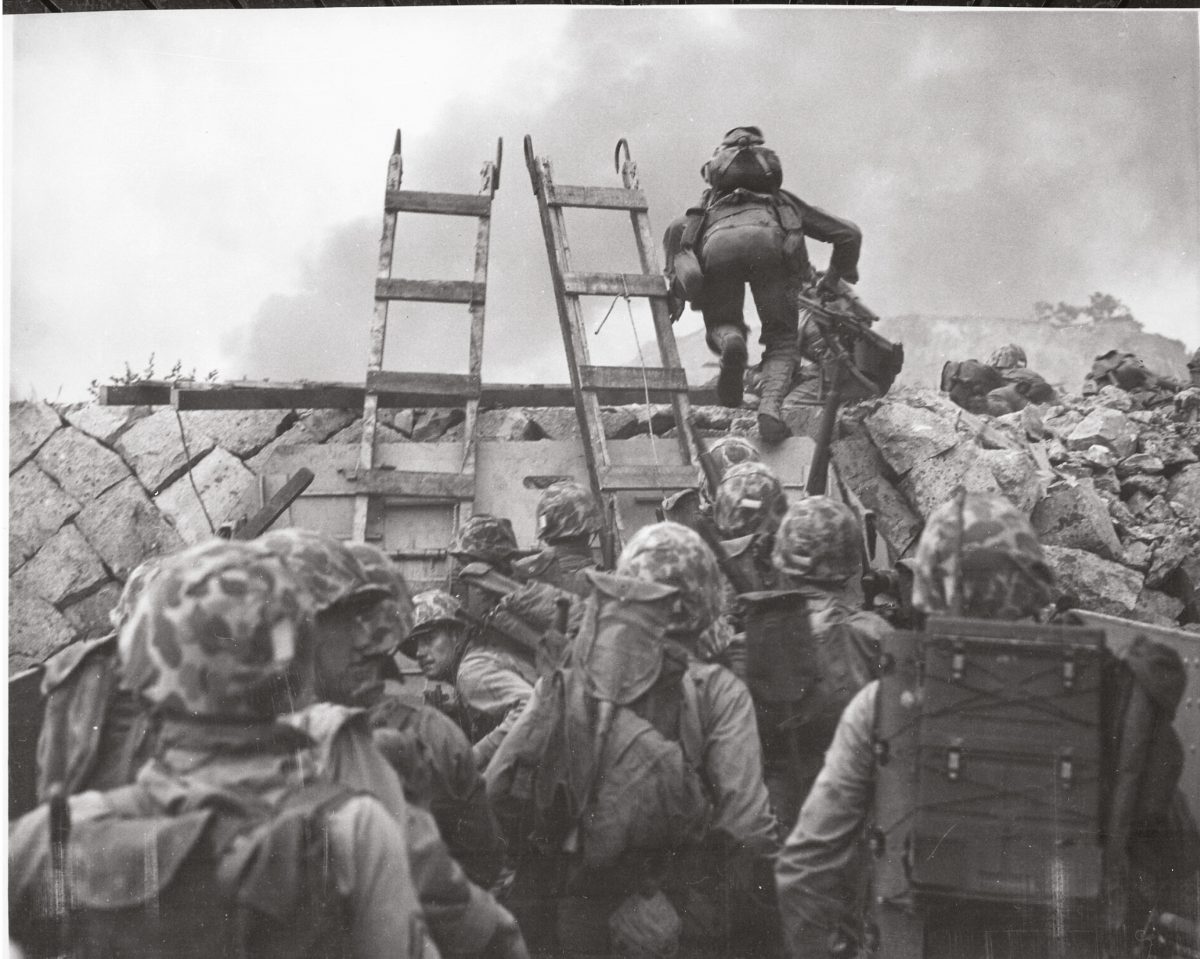
Just before dawn on Sunday 25 June 1950, following a brief bombardment, the 150,000-strong army of the Democratic People’s Republic of North Korea, backed by Soviet Russia, crossed the border and invaded
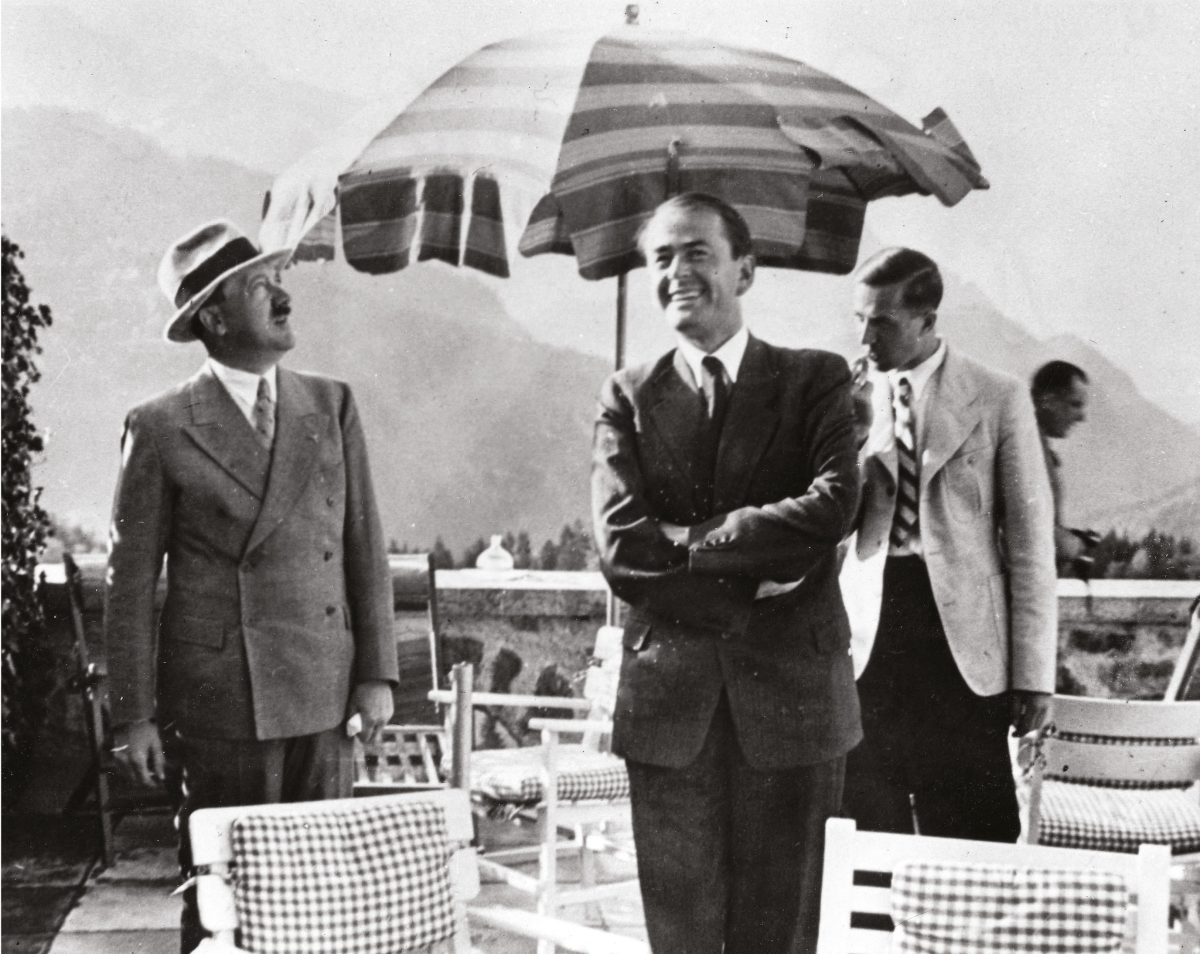
He was Hitler’s favourite architect and the man responsible for Germany’s wartime production – yet Albert Speer tried to portray himself as the ‘Good Nazi’. Sixty years after his release from Spandau, Nigel Jones examines his role in the regime’s atrocities.

Major-General Sir Robert Sale and his wife Lady Florentia were Victorian celebrities, famed for their bravery on the Indian subcontinent. Patrick Mercer goes in search of a couple who became a byword for gritty colonial glamour.
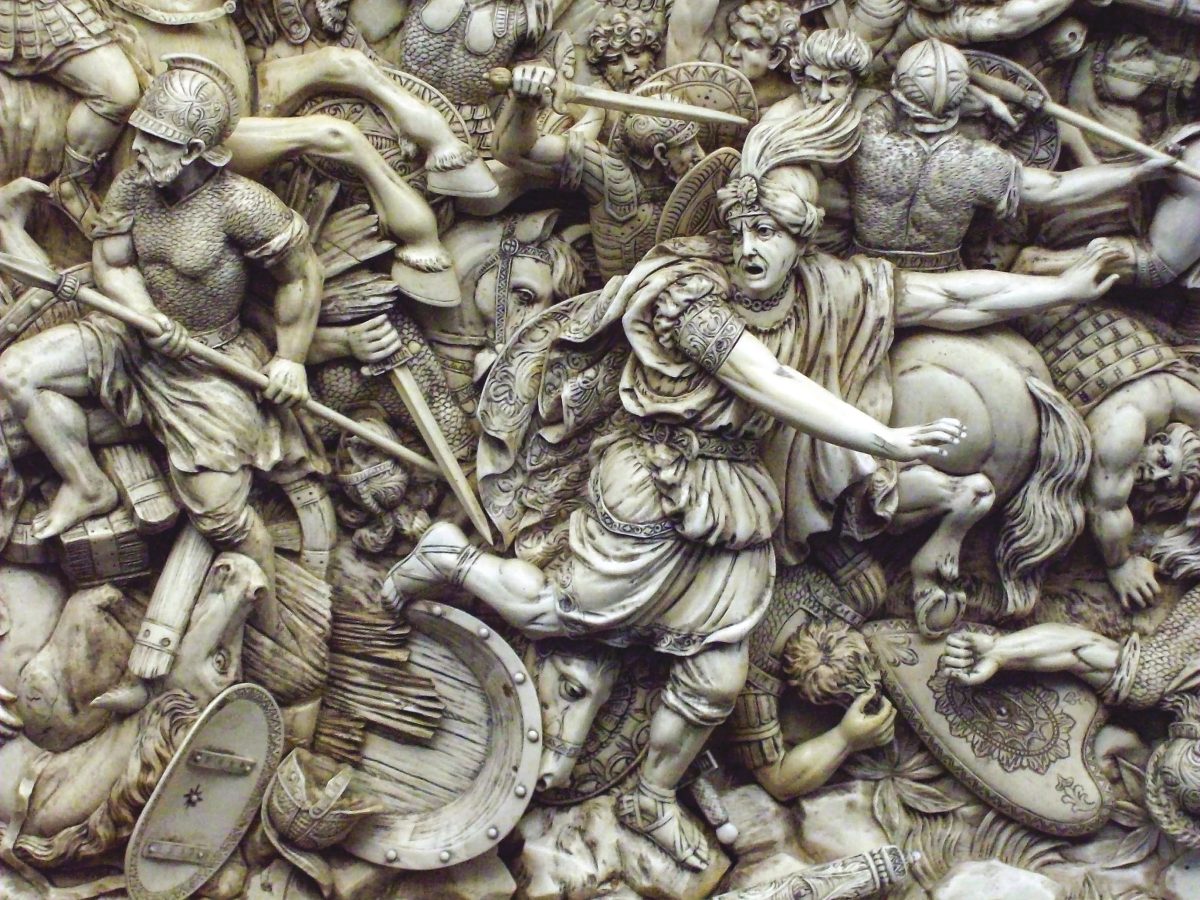
In his new book, Iain MacGregor examines some of the most significant battles of the past 3,000 years. Here, he reveals the five key factors that shaped victory, from Marathon to Midway.

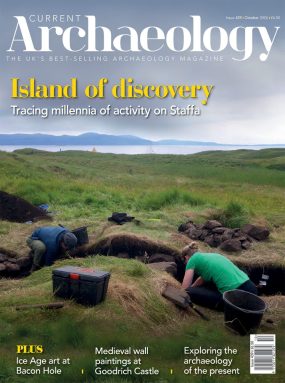
Hidden within the limestone cliffs of the Gower Peninsula in South Wales is a cave that has witnessed dramatic changes in climate, landscape, and human history. Bacon Hole, overlooking what is today the Bristol Channel, is home to one of the most intriguing and controversial stories in British prehistoric archaeology. It is a story that began more than a century ago with the discovery of possible Ice Age paintings, continued through decades of doubt, and has now been reopened through modern scientific investigation. George Nash explains.